Aeronox Solutions

SEO for eCommerce Website
Blog

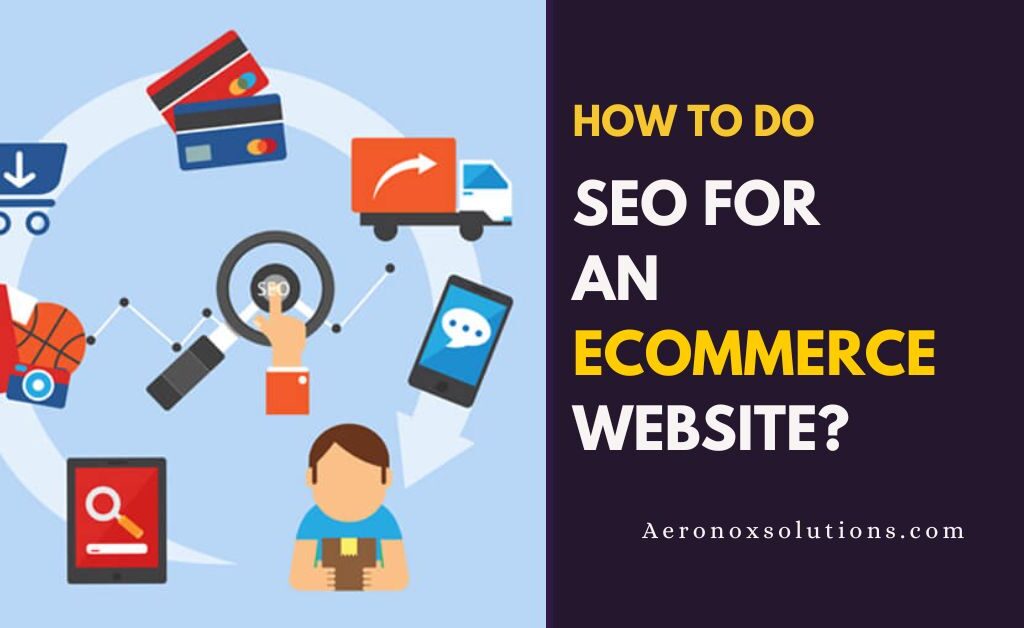
How to Do SEO for an E-Commerce Website | 10 Steps Guide

Running an online store is not just about listing products and waiting for customers. If people can’t find your website on Google, you’re missing a huge number of sales. That’s where eCommerce SEO comes in. So, how do you do SEO for an eCommerce website in a way that actually brings traffic and sales? Today, search engines are smarter than ever. With AI-based updates, Google now understands what users really want. That means your strategy should not only focus on keywords but also on user intent, content quality, and overall experience. Whether you run a small niche store or a large online shop, this guide will help you increase organic traffic, rank for new keywords, and boost conversions. Let’s get started. 1. Start with Keyword Research (Focus on Buyer Intent) Keyword research is the base of every successful SEO strategy. But here’s the truth:It’s not just about finding keywords with high search volume. You need to understand what your customers actually want. There are 3 types of search intent: Informational – Users are searching for knowledgeExample: “best sofa for small living room” Comparison – Users are comparing productsExample: “recliner sofa vs corner sofa” Transactional – Users are ready to buyExample: “buy leather recliner sofa online” What You Should Do: Use tools like Google Keyword Planner, Ahrefs, or SEMrush Target high-intent keywords like: buy + product name best + product type affordable + product 👉 These keywords bring real buyers, not just visitors 2. Focus on Long-Tail Keywords If you’re struggling to rank, this is your secret weapon. Long-tail keywords are longer and more specific phrases. They usually have: Less competition Higher conversion rates Better ranking chances Example: Short keyword: sofa Long-tail keyword: best recliner sofa for small spaces Why They Matter: People using long-tail keywords already know what they want. That means they are more likely to buy. How to Find Them: Google autocomplete “People also ask” section Customer reviews Free tools like Ubersuggest 3. Optimize Your Product Pages Your product pages are where sales happen. If they are not optimized, you’re losing money. Key Elements to Improve:   Product Titles Add keywords naturally Be clear and specificExample: “Leather Recliner Sofa with USB Port” Product Descriptions Focus on benefits, not just features Explain how the product solves a problem Use simple and engaging language Images Use high-quality images Add alt text with keywords Show different angles Reviews Add customer reviews Build trust and improve SEO CTA (Call-to-Action) Use clear buttons like: Buy Now Add to Cart A strong product page = better rankings + more conversions 4. Make Your Website User-Friendly Google ranks websites that people love using. If your website is slow, confusing, or hard to use, users will leave—and your rankings will drop. Improve User Experience: Simple navigation (easy menu) Mobile-friendly design Fast loading speed Clean layout Bonus Tip: Add filters like: Price Size Color This helps users find products faster and improves engagement 5. Use Clean and SEO-Friendly URLs Your URLs should be simple and easy to understand. Good Example: yourstore.com/leather-recliner-sofa Bad Example: yourstore.com/product?id=12345 Best Practices: Keep URLs short Use keywords Avoid numbers and symbols Use hyphens (-) instead of underscores Clean URLs improve both SEO and user trust 6. Use Schema Markup (Rich Snippets) Schema markup helps Google understand your content better. It allows your products to show extra details in search results like: Price Ratings Stock status Benefits: Higher click-through rate (CTR) Better visibility More trust Important Schemas for eCommerce: Product schema Review schema Price schema This makes your listing stand out on Google 7. Avoid Duplicate Content Duplicate content is a common problem in eCommerce websites. It happens when: Same product appears on multiple URLs Product descriptions are copied Filters create duplicate pages Why It’s Bad: Confuses Google Lowers rankings Splits traffic How to Fix It: Use canonical tags Write unique product descriptions Use 301 redirects Avoid duplicate URLs Unique content = stronger SEO performance 8. Improve Website Speed Speed is a ranking factor. If your website takes more than 3 seconds to load, most users will leave. How to Speed Up Your Site: Compress images Use fast hosting Enable caching Use a CDN Minimize code Tools You Can Use: Google PageSpeed Insights GTmetrix Faster website = better rankings + more sales 9. Create High-Quality Content Content helps you rank for more keywords and bring organic traffic. Even if you don’t have a blog, you can still add content to your pages. What You Can Create: Product guides FAQs How-to articles Buying guides Example Topics: How to choose the best sofa Top furniture for small spaces Best home decor ideas Why Content Matters: Builds trust Improves SEO Brings free traffic Content turns visitors into customers 10. Build High-Quality Backlinks Backlinks are one of the most important ranking factors. They tell Google that your website is trustworthy. How to Build Backlinks: Guest posting Collaborate with bloggers Get product reviews Submit to directories Create shareable content Important Tip: Focus on quality, not quantity One strong backlink is better than 10 weak ones Final Thoughts SEO for an eCommerce website is not a one-time task. It’s a continuous process. If you follow these 10 steps: Target the right keywords Optimize product pages Improve user experience Build backlinks You will start seeing: ✔ More organic traffic✔ Better Google rankings✔ Higher sales Need Expert Help? At Aeronox Solutions, we help eCommerce businesses grow with powerful SEO strategies. From keyword research to technical optimization, we handle everything to boost your online store.

15 Winning Pinterest Marketing Strategies To Build Your Brand
Blog

15 Winning Pinterest Marketing Strategies To Build Your Brand

  In today’s competitive digital landscape, Pinterest has evolved far beyond a simple social media platform. It is now a powerful visual search engine and a high-intent discovery platform where users actively look for ideas, products, and solutions. With more than 430 million active users worldwide, Pinterest offers brands a unique opportunity to reach audiences who are already in the mindset to explore and purchase. What makes Pinterest stand out is its user intent. Unlike other platforms where people scroll casually, Pinterest users are planners. They search for things like “home decor ideas,” “fashion trends 2026,” or “best skincare routine,” which means they are closer to making decisions. This makes Pinterest marketing one of the most effective ways to drive organic traffic, generate leads, and boost conversions. If you want to build brand awareness, increase website traffic, and grow sales in 2026, you need a smart Pinterest SEO strategy. Below are 15 proven Pinterest marketing strategies designed with high-search-volume keywords and real-world practicality. 1. Optimize Your Pinterest Profile for SEO Your Pinterest profile is the foundation of your success. A well-optimized profile improves visibility in Pinterest search results and builds trust with users. Use a professional logo as your profile image and keep your business name consistent across platforms. Write a keyword-rich bio using terms like Pinterest marketing tips, ecommerce growth, or digital marketing strategies. Add your website link and enable search engine visibility. Switch to a Pinterest Business Account to unlock analytics, ads, and advanced features. Also, organize your boards using SEO-friendly titles like “Home Decor Ideas 2026” or “Healthy Meal Prep Recipes.” This helps your profile rank higher in search results. 2. Do Smart Keyword Research for Pinterest SEO Pinterest works like Google, so keyword research is essential. Without the right keywords, your content won’t be discovered. Start with Pinterest’s search bar and look at autocomplete suggestions. These are high-volume keywords people are actively searching for. Focus on long-tail keywords like “Pinterest marketing for beginners” or “small business branding ideas.” Use keywords naturally in: Pin titles Descriptions Board names Profile bio Long-tail keywords have less competition and higher conversion rates, making them perfect for Pinterest growth. 3. Create High-Quality, Eye-Catching Pins Pinterest is a visual platform, so design matters. High-quality Pins attract more clicks, saves, and engagement. Use vertical images (2:3 ratio), bright colors, and clear text overlays. Add compelling headlines like “10 Easy Home Decor Ideas” or “Best Digital Marketing Tips 2026.” Make sure your fonts are readable on mobile devices. Consistency in branding (colors, fonts, style) helps users recognize your content. Tools like Canva can help you create professional Pins quickly. 4. Use Rich Pins to Increase Conversions Rich Pins automatically pull information from your website and display it on your Pins. This includes product details, pricing, and descriptions. There are different types like Product Pins, Article Pins, and Recipe Pins. These improve user experience and increase click-through rates. For ecommerce brands, Rich Pins are especially powerful because they reduce friction and help users make faster buying decisions. 5. Create Niche-Focused Pinterest Boards Your boards should be highly targeted and relevant to your niche. Instead of general boards, create specific ones like: Minimalist Living Room Ideas Digital Marketing Strategies for Beginners Healthy Weight Loss Recipes Use keyword-rich titles and descriptions to improve discoverability. Well-structured boards make it easier for users to explore your content and follow your profile. 6. Pin Consistently for Better Reach Consistency is key on Pinterest. The algorithm favors active accounts that regularly publish fresh content. Aim to pin 15–25 times daily, including both new Pins and repins. Spread your Pins throughout the day instead of posting all at once. Use scheduling tools like Tailwind to maintain consistency. Regular pinning increases visibility and keeps your content circulating for months. 7. Use Pinterest Trends to Find Viral Content Ideas Pinterest Trends helps you identify what people are searching for right now. This allows you to create content that matches user intent. Look for trending topics like: Summer outfit ideas Home office setup inspiration Healthy meal plans Create content in advance because Pinterest users plan ahead. Aligning your Pins with trends increases your chances of going viral. 8. Collaborate with Influencers and Group Boards Partnering with influencers in your niche can boost your reach and credibility. Influencers already have engaged audiences who trust their recommendations. Join group boards to share your Pins with a wider audience. These boards often have thousands of followers, helping your content gain more exposure. Collaboration builds authority and drives more traffic to your profile. 9. Run Pinterest Ads for Faster Growth Pinterest Ads are highly effective because users are already in buying mode. Promoted Pins blend naturally into feeds and don’t feel intrusive. Use targeted ads based on: Interests Keywords Demographics Website visitors (retargeting) Experiment with formats like video ads, carousel ads, and shopping ads. Pinterest ads are cost-effective and deliver strong ROI when optimized correctly. 10. Focus on Seasonal and Evergreen Content A successful Pinterest strategy includes both seasonal and evergreen content. Seasonal content targets trends like: Christmas gift ideas Summer fashion trends Back-to-school essentials Evergreen content includes: How-to guides Tutorials Tips and hacks Evergreen Pins drive traffic long-term, while seasonal Pins generate quick spikes in engagement. 11. Add Strong Call-to-Actions (CTAs) Every Pin should guide users on what to do next. Clear CTAs increase clicks and conversions. Examples: Shop Now Save for Later Learn More Try This Idea Place CTAs in both your Pin design and description. Keep them simple, direct, and action-focused. 12. Use Video Pins for Higher Engagement Video Pins are one of the fastest-growing formats on Pinterest. They grab attention and keep users engaged longer. Create short videos (6–15 seconds) showcasing: Product demos Tutorials Before-and-after transformations Quick tips Add captions because many users watch videos without sound. Video content can significantly boost engagement and conversions. 13. Track Performance with Pinterest Analytics To grow effectively, you need to analyze your results. Track key metrics like: Impressions Clicks Saves Engagement rate Outbound traffic Identify which Pins

14 Steps Website Audit Checklist – Updated 2026
Blog

14 Steps Website Audit Checklist – Updated 2026

In today’s digital-first landscape, your website is more than just an online presence—it’s your most powerful marketing asset. Studies from Stanford University reveal that over 75% of users judge a company’s credibility based on its website design and performance. That means your site’s speed, usability, SEO, and content quality directly influence trust, conversions, and long-term growth. Whether you run an eCommerce store, service-based business, or SaaS platform, conducting a website audit is essential to stay competitive in 2026. A well-structured audit helps you uncover technical SEO issues, improve user experience, boost organic traffic, and increase conversion rates. This free website audit checklist (14 steps) is designed for marketers, business owners, and SEO professionals who want to perform a comprehensive analysis. By following this framework, you can identify gaps, fix errors, and build a data-driven optimization strategy. At the end of this guide, you’ll also be equipped to create a professional website audit report for clients or internal use—making it ideal for agencies and freelancers offering SEO services. Step-by-Step Guide: How to Audit a Website A website audit is a complete evaluation of your site’s technical SEO, on-page optimization, content performance, and user experience (UX). Below are the 14 essential steps to perform a high-impact audit in 2026. Step 1: Check Google Analytics Setup The first step in any SEO audit is verifying your Google Analytics setup. Without accurate tracking, your data-driven decisions will be flawed. Ensure: Tracking code is installed on all pages Conversion goals (sales, leads, sign-ups) are properly configured Internal traffic is filtered out eCommerce tracking is enabled (if applicable) Look for red flags like unusually high bounce rates or missing referral data. These often indicate tracking errors. A properly configured analytics setup provides insights into website traffic, user behavior, and conversion performance, forming the foundation of your audit. Step 2: Analyze Traffic Trends Once tracking is verified, dive into your traffic data. Use reports in Google Analytics to analyze trends over the past 6–12 months. Focus on: Organic traffic growth or decline Seasonal trends Sudden spikes or drops For example: A drop in traffic may indicate SEO issues or algorithm updates A spike could result from viral content or paid campaigns Understanding these patterns helps you diagnose performance issues and identify opportunities for growth. Step 3: Check Mobile-Friendliness With mobile-first indexing dominating search rankings, mobile optimization is critical. Use Google Search Console or Google’s Mobile-Friendly Test to evaluate responsiveness. Check: Responsive design across devices Readable font sizes Clickable buttons and navigation Mobile page speed A poor mobile experience leads to higher bounce rates and lower rankings. Optimizing for mobile improves both SEO performance and user engagement. Step 4: Assess On-Page SEO On-page SEO ensures your pages are optimized for search engines and users. Review: Title tags (50–60 characters with keywords) Meta descriptions (high CTR-focused) Header structure (H1, H2, H3) Image alt text Internal linking Use tools like SEMrush or Ahrefs to identify issues like duplicate tags or missing metadata. Strong on-page SEO improves rankings, visibility, and click-through rates—driving targeted traffic to your site. Step 5: Identify Indexing Issues Indexing determines whether your pages appear in search results. Use Google Search Console to check coverage reports. Look for: Blocked pages (robots.txt) Noindex tags Duplicate content 404 errors Fixing indexing issues ensures search engines can crawl and rank your content effectively, improving your organic visibility. Step 6: Run Page Speed Tests Website speed is a major ranking factor in 2026. Use Google PageSpeed Insights or GTmetrix to analyze performance. Common issues include: Large image files Unoptimized scripts Slow server response time Aim for load times under 3 seconds. Faster websites improve user experience, reduce bounce rates, and boost SEO rankings. Step 7: Perform a Content Audit Content plays a key role in SEO and conversions. Evaluate your website content for quality and relevance. Check: Outdated or thin content Keyword optimization User intent alignment High-performing pages Use tools like Screaming Frog to audit content at scale. Update, improve, or remove low-quality pages to strengthen your site’s authority and improve rankings. Step 8: Evaluate User Experience (UX) User experience directly impacts engagement and conversions. Assess: Navigation structure Page layout and design CTA placement Loading speed Tools like Hotjar can help you analyze user behavior through heatmaps. A smooth UX keeps users engaged and increases the likelihood of conversions. Step 9: Conduct Competitor Analysis Analyzing competitors helps you stay ahead in your niche. Use tools like Ahrefs or SEMrush to evaluate: Keyword rankings Backlink profiles Content strategies Identify gaps and opportunities to outperform competitors in search results. Step 10: Fix Broken Links Broken links negatively impact both UX and SEO. Use Screaming Frog to find: Internal broken links External dead links Fix them by: Updating URLs Setting up 301 redirects This ensures smooth navigation and maintains your site’s credibility. Step 11: Check Keyword Rankings Tracking keyword rankings helps measure SEO success. Use tools like: SEMrush Ahrefs Google Search Console Identify: High-performing keywords Opportunities for improvement Optimizing for the right keywords increases organic traffic and conversions. Step 12: Verify Social Media Pixels Tracking pixels are essential for digital marketing campaigns. Check tools like: Facebook Pixel Twitter Tag Ensure they are: Properly installed Tracking events correctly Accurate tracking improves ad performance and retargeting strategies. Step 13: Audit Third-Party Tools Third-party integrations can impact performance. Review: Chatbots Plugins Payment gateways Remove outdated or unused tools to improve speed and security. Step 14: Review URL Structure & Site Architecture A clean URL structure improves both SEO and usability. Ensure: URLs are short and keyword-rich Logical site hierarchy XML sitemap is present A well-structured website helps search engines crawl efficiently and improves rankings. Website CRO (Conversion Rate Optimization) Checklist A CRO audit focuses on turning visitors into customers. Key Areas to Optimize: 1. CTA Optimization Clear, action-driven CTAs Visible placement above the fold Strong visual design 2. Copywriting Clear, benefit-driven messaging Trust signals (reviews, testimonials) 3. Page Design Clean, modern layout Consistent branding 4. SEO for CRO Optimize high-intent pages Align content with user intent 5.

How to Make an Interactive Website
Blog

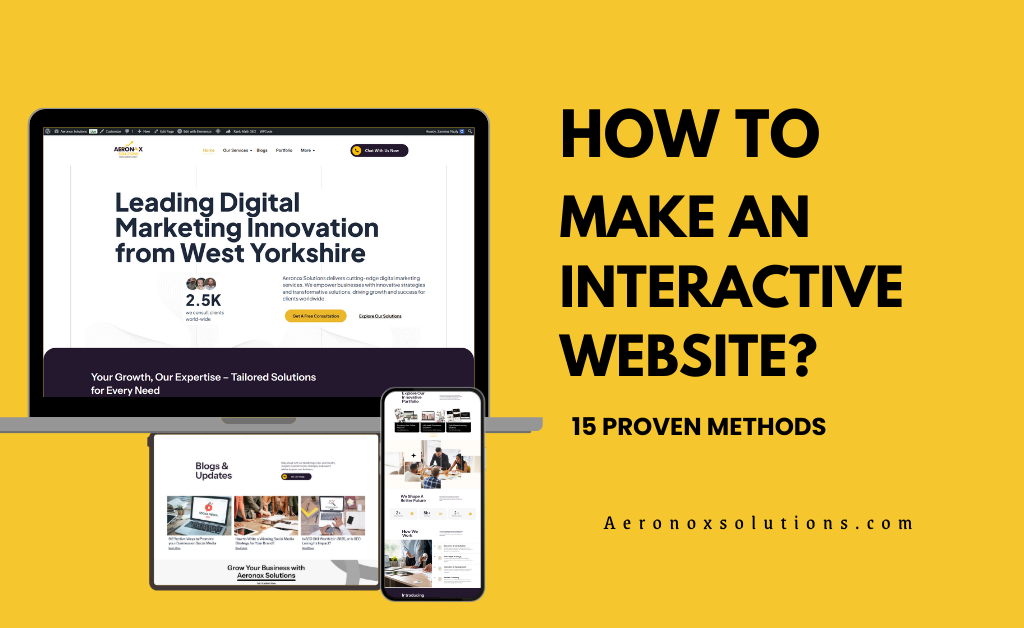
How to Make an Interactive Website

Why Interactive Website Design Matters How to make an interactive website that truly engages users? Think of your website like a digital experience, not just a collection of pages. Imagine walking into a store where nothing responds, no one greets you, and nothing invites you to explore—you’d leave instantly. The same happens online. Today’s users expect fast, engaging, and interactive website design experiences. Studies show that over 50% of users leave a website if it takes more than a few seconds to load, and nearly 88% don’t return after a poor user experience. That means your website is not just a digital presence—it’s your first impression, salesperson, and brand identity all in one. An interactive website keeps users engaged through animations, dynamic content, hover effects, chat support, personalized experiences, and smooth navigation. It turns passive visitors into active participants, improving engagement, retention, and conversions. In this guide, you will learn how to create an interactive website step by step, the most effective interactive elements, and proven strategies to boost engagement, SEO, and conversions. What Is an Interactive Website? An interactive website is a modern web experience that responds to user actions in real time. Instead of static content, users can click, scroll, hover, and interact with dynamic elements such as animations, videos, quizzes, and chatbots. Unlike traditional static websites, interactive websites: Respond to user behavior instantly Offer personalized experiences Include animations and dynamic visuals Encourage user engagement and exploration Some websites show the same interactive elements to all users, while advanced websites adapt content based on user behavior, location, or preferences. How to Make an Interactive Website: 15 Proven Methods Below are the most effective and SEO-friendly strategies to build a high-performing interactive website. 1. Add Loading Animations for Better First Impressions First impressions decide whether a user stays or leaves. A loading animation for websites improves perceived performance and keeps users engaged while content loads. Why it matters: Reduces bounce rate Improves user experience Builds anticipation for content Best practices: Keep animations lightweight Use progress indicators Match branding colors Avoid slowing down page speed A smooth loading animation makes your website feel premium and professional. 2. Use Parallax Scrolling for Depth and Engagement Parallax scrolling effects create a 3D illusion where background and foreground move at different speeds. Benefits: Enhances storytelling Increases user engagement Makes websites visually modern Tips: Use subtle motion Optimize images for speed Ensure mobile responsiveness Avoid overuse Parallax design is widely used in modern interactive web design services for premium brands. 3. Add Hover Animations for Better Interaction Hover effects are simple but powerful tools in interactive website design. Why use them: Improves navigation clarity Encourages clicks Adds modern UI feel Examples: Button color change Image zoom effect Text reveal on hover These small interactions make your website feel alive. 4. Use Video Backgrounds for Strong Visual Impact Video backgrounds instantly capture attention and improve storytelling. Benefits: Increases engagement time Strengthens brand identity Creates premium visual experience Best practices: Compress video files Keep loops short Disable autoplay sound Provide mobile fallback images This is widely used in high-conversion landing page design. 5. Add Interactive Carousels for Content Display Carousels allow users to swipe through images, testimonials, or products. Advantages: Saves page space Increases interaction Improves UX design Tips: Enable manual navigation Avoid too many slides Optimize image size Perfect for eCommerce and portfolio websites. 6. Use Sticky Navigation Menus Sticky menus improve usability by keeping navigation visible at all times. Benefits: Easier browsing Better user retention Faster navigation Best practices: Keep it minimal Ensure mobile compatibility Use smooth transitions This is essential in modern responsive web design. 7. Add Live Chat or Chatbots Adding chat features improves customer engagement instantly. Why it works: Provides real-time support Increases conversions Builds trust Options: AI chatbots Live chat agents Automated FAQs Chat systems are key in conversion-focused website design. 8. Build Interactive Navigation Systems Interactive menus enhance user experience and SEO performance. Features: Hover animations Mega menus Slide-out navigation Benefits: Easier content discovery Lower bounce rate Better engagement 9. Use Hover Text on Images This feature displays additional information when users hover over images. Advantages: Clean design Better content visibility Enhanced UX Ideal for portfolios and product showcases. 10. Add Expandable Content Sections Expandable sections help keep pages clean and organized. Why use them: Reduces clutter Improves readability Enhances UX Common use cases: FAQs Product details Service descriptions 11. Use Toggle Features for Customization Toggle switches allow users to change views or settings. Benefits: Improves personalization Saves space Enhances accessibility Examples: Dark mode toggle Price switch (monthly/yearly) Content filters 12. Embed Interactive Google Maps Interactive maps help users find your business easily. Benefits: Improves local SEO Enhances trust Increases engagement Best practices: Add business details Enable directions Ensure mobile optimization 13. Use Hover Effects on Buttons and Borders Small animations can significantly improve user engagement. Why it matters: Encourages clicks Improves visual feedback Enhances modern UI feel Keep effects subtle and consistent. 14. Add Slide-In Call-to-Actions (CTAs) Slide-in CTAs guide users without interrupting their experience. Benefits: Higher conversion rates Better engagement Improved UX flow Examples: Sign up buttons Free trial offers Download prompts 15. Use Lazy Loading for Images Lazy loading improves performance by loading images only when needed. Advantages: Faster website speed Better SEO rankings Improved user experience This is essential for modern SEO optimized websites. Difference Between Interactive and Passive Websites Feature Interactive Website Passive Website Engagement High Low User Experience Dynamic & personalized Static Functionality Advanced features Basic pages Conversion Rate Higher Lower Bounce Rate Lower Higher Interactive websites clearly outperform static websites in engagement and conversions. Why Interactive Website Design Is Important for SEO & Business Growth Interactive websites are not just visually appealing—they directly impact business performance. Key benefits: 1. Higher Engagement Interactive elements increase time spent on site and reduce bounce rates. 2. Better SEO Performance Google favors websites with strong engagement signals. 3. Increased Conversions Interactive CTAs, chat systems, and animations boost conversion rates. 4. Strong Brand Identity Memorable experiences

How to Use Heatmaps to Improve Website SEO
Blog

How to Use Heatmaps to Improve Website SEO?

  Can’t figure out why customers aren’t hitting that ‘Add to Cart’ button? Or maybe you’ve A/B tested your headline, but still can’t pinpoint where things went wrong. Don’t worry, you’re not alone. The solution is to Use Heatmaps to Improve Website SEO. Heatmaps are like X-ray vision for your website, revealing exactly where your customers are clicking, scrolling, and engaging (or losing interest). Think of them as your secret weapon to uncover hidden insights about user behavior and turn those insights into actionable strategies. How to Use Heatmaps to Improve Website SEO? Are you struggling with low conversions, high bounce rates, or just want to fine-tune your on-page SEO? Heatmaps can help you see what’s working—and what’s not. By understanding how your audience interacts with your site, you can make data-driven decisions to optimize content, improve user experience, and skyrocket your SEO performance. In this article, we’ll break it all down for you: What heatmaps are and why they’re a game-changer for digital marketing and SEO. How to use heatmaps to uncover hidden opportunities and fix problem areas. Six actionable ways to leverage heatmaps for a winning SEO strategy. By the end, you’ll be ready to use heatmaps like a pro, making small tweaks that lead to big results. Ready to dive in? Let’s get started! Types of SEO Heatmaps: Unlocking User Behavior Insights Heatmaps are like a treasure map for your website, they reveal exactly where users are clicking, scrolling, and engaging. By tracking and analyzing user interactions, heatmaps transform raw data into a visually intuitive format. For example, if a specific button or section on your website gets a lot of attention, the heatmap will highlight it in warm colors like red or orange. Cooler colors, like blue or green, indicate areas with less activity. This visual representation helps you understand what’s working (and what’s not) on your website. But not all heatmaps are the same. Depending on your goals, you can use different types of heatmaps to gain specific insights into user behavior. Here are the five types of SEO heatmaps that can help you optimize your website for better performance and higher conversions: 1. Click Heatmaps: Where Are Users Clicking? Click heatmaps show exactly where users are clicking on your website—whether it’s buttons, links, images, or even non-clickable elements. This type of heatmap is invaluable for: Identifying which CTAS (Call-to-Actions) are most effective. Spotting dead clicks (clicks on non-interactive elements) that indicate user frustration. Optimizing your website layout to guide users toward desired actions. For example, if users are frequently clicking on an image that isn’t linked, you might consider making it clickable to improve user experience. 2. Scroll Heatmaps: How Far Are Users Scrolling? Scroll heatmaps reveal how far users scroll down your page before leaving. This helps you understand: Whether your most important content is “above the fold” (visible without scrolling). If users are engaging with your entire page or bouncing early. Where to place key information or CTAs to maximize visibility. If your scroll map shows that most users never reach the bottom of the page, it might be time to reorganize your content or make it more engaging. 3. Mouse Movement/Hover Heatmaps: What Are Users Focusing On? Mouse movement heatmaps track where users move their cursors, which often correlates with where they’re looking on the page. These heatmaps can help you: Identify areas of interest or confusion. Optimize the placement of important elements like forms, buttons, or product descriptions. Improve readability and user flow by understanding how users navigate your page. While not as precise as eye-tracking, mouse movement heatmaps are a cost-effective way to gauge user attention. 4. Eye-Tracking Heatmaps: What Are Users Looking At? Eye-tracking heatmaps take user behavior analysis to the next level. Using webcams or specialized devices, they track where users’ eyes move and how long they focus on specific areas. This type of heatmap is particularly useful for: Understanding which elements (like headlines, images, or CTAs) capture the most attention. Identifying customer preferences and pain points. Optimizing design and content placement for maximum impact. Fun fact: Studies show that users tend to spend more time looking at the left side of a webpage. That’s why it’s a great spot for your logo, key banners, or essential information. 5. Desktop & Mobile Heatmaps: How Does Behavior Differ Across Devices? User behavior can vary significantly between desktop and mobile devices. Desktop and mobile heatmaps allow you to compare how your website performs on different screens. For example: Content that’s easily visible on a desktop might be buried on a mobile device. Buttons or links that work well on desktop might be too small or awkwardly placed on mobile. By analyzing device-specific heatmaps, you can ensure a seamless experience for all users, no matter how they access your site. Why Heatmaps Are a Game-Changer for SEO? Heatmaps don’t just show you what users are doing—they help you understand why they’re doing it. By combining insights from clicks, scrolls, mouse movements, eye-tracking, and device-specific heatmaps, you can: Improve user experience (UX) by addressing pain points. Boost engagement by optimizing content placement. Increase conversions by guiding users toward desired actions. READ A;SO: What Is Cloud Stacking SEO? Is it Still Worth It? 6 Actionable Ways to Use Heatmaps for SEO Success Now that you know the different types of heatmaps and how they work, it’s time to put them into action. Heatmaps aren’t just pretty visuals, they’re powerful tools that can help you optimize your website for better search engine rankings, higher engagement, and increased conversions. 1. Optimize Above-the-Fold Content The above-the-fold section is your website’s first impression. Search engines like Google factor in bounce rates and dwell time when ranking pages, and if users leave quickly because this area doesn’t grab them, your SEO performance suffers. Heatmaps, specifically click maps (showing where users click) and attention maps (showing where they focus) give you a visual blueprint of what’s working and what’s not. Here’s how to optimize your above-the-fold content using heatmap insights:

How to Create Viral AI Videos 5 Best Tools
Blog

How to Create Viral AI Videos ? 5 Best Tools

How to Create Viral AI Videos ? In today’s lightning-fast digital landscape, crafting viral videos has evolved from a distant fantasy into an achievable milestone, all thanks to the transformative power of AI. If you’re a content creator, marketer, or simply aiming to amplify your social media influence, AI tools can empower you to produce captivating, share-worthy videos in mere minutes. However, here’s the key: while AI supercharges efficiency, it’s your human ingenuity your creativity, hustle, and personal flair that elevates your content above the noise. As a content creator, I believe, AI tools accelerated my workflow, handling scripting, editing, and visuals with ease. If you’re eager to churn out viral AI-powered videos for YouTube, TikTok, or Instagram Reels, here’s your roadmap to success with create viral videos that deliver serious value. 5 Best Free Tools to Create Viral AI Videos? In today’s high-speed digital era, producing viral videos is within reach for anyone, thanks to cutting-edge AI tools that simplify the process. Whether you’re a budding creator, a savvy marketer, or just looking to boost your online presence on platforms like YouTube, TikTok, or Instagram Reels, these free AI tools can help you craft attention-grabbing content in minutes. While AI handles the heavy lifting, scripting, editing, and visuals, it’s your unique creativity and personal touch that will make your videos pop and resonate with viewers. Ready to skyrocket your video game? Here are five of the best free AI tools to help you create viral AI videos that stand out from the crowd. 1. InVideo InVideo is a powerhouse for creators who want to whip up professional-quality videos without breaking the bank. Its free plan offers access to an intuitive drag-and-drop interface, pre-designed templates, and an AI-powered text-to-video feature that transforms your scripts into polished visuals. Perfect for YouTube intros or TikTok trends, InVideo lets you customize everything while keeping the process lightning-fast. Pair it with your quirky humor or niche storytelling, and you’ve got a recipe for shares. 2. Canva (Video Editor) Known for its design chops, Canva’s free video editor is a hidden gem for crafting short, snappy videos. With thousands of free templates, animations, and an AI-assisted design engine, it’s ideal for Instagram Reels or quick YouTube Shorts. The magic happens when you infuse your personality, think bold voiceovers or unexpected twists into Canva’s sleek outputs. It’s beginner-friendly yet versatile enough to scale with your creative ambitions. 3. Kapwing Kapwing is a go-to for fast, collaborative video editing with a robust free tier. Its AI-driven features, like auto-subtitling and smart resizing for different platforms, save you hours of manual work. Whether you’re remixing trending audio for TikTok or stitching together a meme-worthy montage for YouTube, Kapwing’s simplicity keeps your workflow smooth. Add your signature flair maybe a witty caption or a dramatic zoom and watch engagement soar. 4. Lumen5 Lumen5 excels at turning blog posts, scripts, or ideas into engaging video content using AI. Its free version offers a library of stock footage, music, and an intelligent text-to-visual converter that syncs your words with dynamic scenes. It’s perfect for creators who want to repurpose written content into YouTube explainers or TikTok teasers. The trick? Inject your voice or a quirky hook to make it unforgettable. 5. Clipchamp Clipchamp’s free plan brings pro-level editing to your browser with AI-enhanced tools like text-to-speech and auto-captions. It’s packed with templates tailored for social media, making it a breeze to create polished Reels or Shorts. What sets your video apart will be your creative spin think bold narration or a trending challenge twist. Clipchamp’s ease of use ensures you’re focused on crafting, not troubleshooting. These five free AI tools are your launchpad to viral video success. They streamline the grunt work, but the spotlight shines brightest when you layer on your human edge—your story, humor, or passion. Experiment, tweak, and engage your community, and you’ll be racking up views in no time. Which tool will you try first? The Best AI Video Generators by Category AI video generators have revolutionized content creation, offering specialized tools for every need, no matter you’re animating avatars, crafting cinematic masterpieces, or churning out social media hits. Below, I’ve broken down the top free and premium AI video tools by category, so you can pick the perfect one for your next viral project. For AI Videos with Talking Avatars Synthesia: The gold standard for studio-quality videos featuring lifelike talking avatars. With customizable scripts and a range of realistic voices, it’s ideal for tutorials, explainers, or branded content. Try Synthesia for free to see why it’s a creator favorite perfect for polished, professional output without a camera. (Cover image tip: Use a sleek Synthesia avatar screenshot to hook readers!) READ ALSO: What is the Best Time to Start Branding? For Creative AI Videos Hailuo: A free gem for generating imaginative videos great for experimenting with wild concepts on a budget. Alibaba Qwen: Another free creative tool, offering unique video generation capabilities for bold, outside-the-box ideas. Kling: Delivers ultra-high-quality creative videos with stunning detail, perfect for eye-catching shorts or artistic projects. Runway: A premium option with advanced features like text-to-video and style customization built for creators who push boundaries. Google Veo: Excels at videos with realistic physics, making it a standout for dynamic, believable motion. OpenAI Sora: Brings cinematic flair with breathtaking visuals, ideal for storytelling that feels larger than life. Pika: Shines in transforming images into smooth, engaging videos great for animation lovers. Luma: Specializes in cinematic scene generation, offering dreamy, high-quality outputs. Adobe Firefly: A creative video tool with innovative potential, though its output can be inconsistent—best for experimentation. For Social Media & YouTube Videos FlexClip: A free, user-friendly option for quick social media videos with templates tailored to TikTok, Reels, and YouTube Shorts. Veed: Enhances editing with AI-powered auto-subtitles and resizing, making it a must for polished social content. Canva: Beyond graphics, its video editor packs a full creative suite—free templates and animations for standout posts. For AI-Powered Video Editing Filmora: Simplifies editing

Scroll to Top